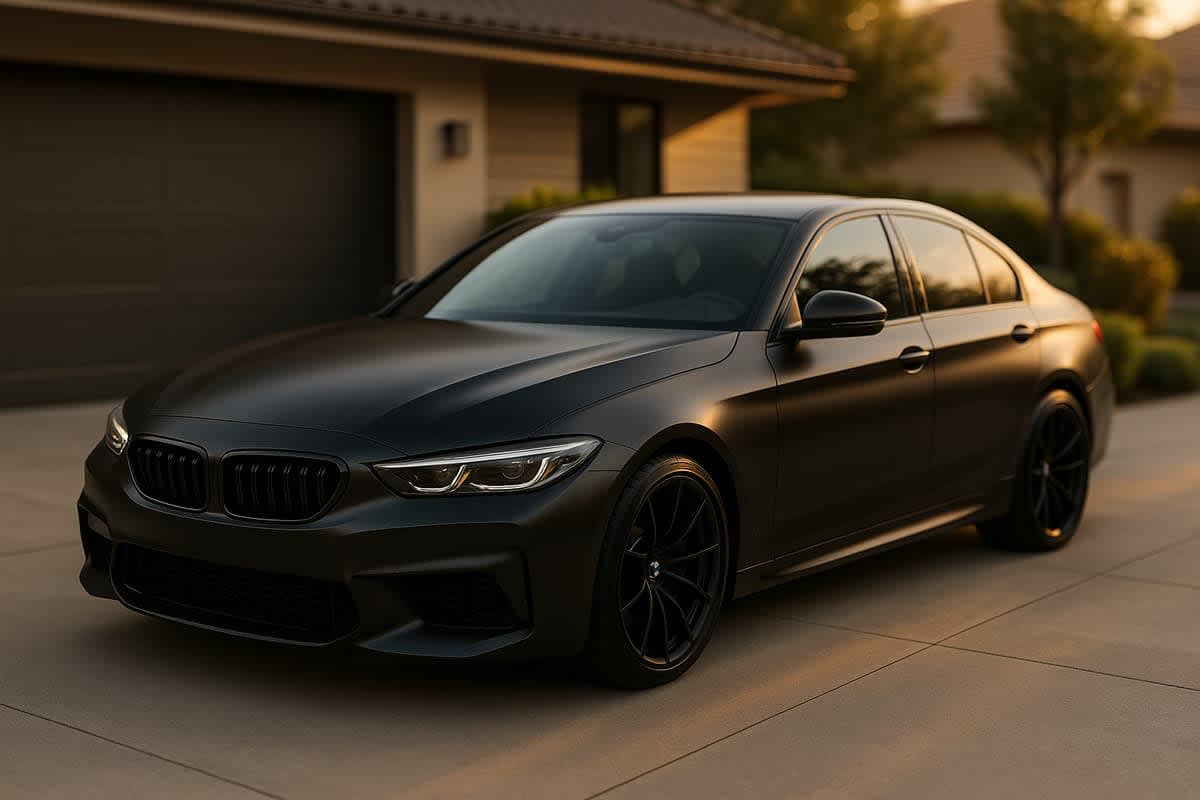
How much does it cost to wrap a car?
How much does it cost to wrap a car?
$2,000 – $5,000 full wrap, most vehicles
$350 – $2,500 partial wrap
$5,000 – $12,000 chrome or specialty finish

Average cost to wrap a car
A full car wrap costs $2,000 to $5,000 for most vehicles, though prices can dip as low as $1,500 for small cars and climb above $10,000 for large commercial vehicles or premium materials. Partial wraps are significantly cheaper, starting at $350 for individual panels and topping out around $2,500 for half coverage.
Car wrapping uses large sheets of vinyl film applied over your vehicle's factory paint. It changes the color or finish of your car without the permanence of a new paint job, protects the original surface underneath, and can serve as mobile advertising for businesses. The total cost depends on vehicle size, wrap type, material quality, design complexity, and labor rates in your area.
| Wrap type | Average cost |
|---|---|
| Full wrap (sedan or coupe) | $2,000 – $3,500 |
| Full wrap (SUV or truck) | $3,000 – $5,000 |
| Full wrap (van or box truck) | $4,000 – $10,000+ |
| Partial wrap | $350 – $2,500 |
| Commercial/branded wrap | $2,500 – $6,000 |
| Chrome or specialty finish | $5,000 – $12,000 |
Cost by vehicle size
Vehicle size is the single biggest factor in wrap pricing. Larger vehicles require more vinyl material and significantly more labor hours to install. A compact car might need roughly 50 to 55 square feet of vinyl, while a full-size SUV can demand 75 square feet or more.
| Vehicle type | Average full wrap cost |
|---|---|
| Compact car (e.g., Honda Civic, VW Golf) | $1,500 – $2,500 |
| Mid-size sedan (e.g., Toyota Camry, BMW 3 Series) | $2,000 – $3,500 |
| Sports car or coupe | $2,500 – $4,500 |
| Mid-size SUV (e.g., Toyota 4Runner, Ford Explorer) | $3,000 – $5,000 |
| Full-size truck (e.g., Ford F-150, RAM 1500) | $3,500 – $5,500 |
| Full-size SUV (e.g., Chevy Suburban, Cadillac Escalade) | $4,000 – $6,000 |
| Cargo van or sprinter | $4,000 – $7,000 |
| Box truck | $5,000 – $10,000+ |
Sports cars and exotic vehicles often cost more than their size alone would suggest. Deep body curves, air intakes, spoilers, and aggressive styling lines require extra labor and material to wrap without bubbles or creases.
Full wrap vs. partial wrap costs
Choosing between full and partial coverage is the most effective way to control your budget. A full wrap covers every painted exterior surface, while a partial wrap targets specific panels or sections like the hood, roof, mirrors, or rear quarter panels.
| Coverage level | Description | Average cost |
|---|---|---|
| Full wrap | Entire vehicle exterior, including bumpers and mirrors | $2,000 – $6,000 |
| 3/4 wrap | Most of the vehicle with some areas left exposed | $1,500 – $4,000 |
| Half wrap | Roughly half the vehicle (e.g., sides and rear) | $1,000 – $2,500 |
| Single panel (hood, roof, or trunk) | One section only | $200 – $600 |
| Accent wrap (mirrors, spoiler, trim) | Small detail areas | $50 – $300 |
Partial wraps work well for drivers who want a two-tone look or businesses that need visible branding on the sides and rear without the full investment. Many commercial fleet wraps use partial coverage to keep costs manageable across multiple vehicles.
Cost by vinyl material type
The type of vinyl film you choose affects both the price and the lifespan of your wrap. Premium cast vinyl from brands like 3M, Avery Dennison, and KPMF conforms better to curves, resists fading longer, and typically lasts five to seven years. Economy calendered vinyl costs less upfront but may shrink, crack, or discolor within two to three years.
| Vinyl finish | Material cost per roll (5 ft x 59 ft) | Installed full wrap cost |
|---|---|---|
| Gloss solid color | $300 – $600 | $2,000 – $3,500 |
| Matte or satin | $350 – $700 | $2,500 – $4,000 |
| Metallic or pearlescent | $400 – $800 | $3,000 – $5,000 |
| Carbon fiber textured | $400 – $900 | $3,000 – $5,500 |
| Color-shift or chameleon | $500 – $1,200 | $4,000 – $7,000 |
| Chrome or mirror | $800 – $2,000 | $5,000 – $12,000 |
Chrome wraps are the most expensive because the material is difficult to work with, unforgiving of mistakes, and requires the highest skill level to install. Many shops charge a premium or decline chrome jobs entirely due to the high failure rate.
Vinyl quality matters for longevity. Choosing a cheaper vinyl saves money today but often leads to peeling, fading, or cracking within two years. Premium cast vinyl from trusted brands like 3M 2080 or Avery SW900 lasts five to seven years, making it the better long-term investment.
Cost by design complexity
The complexity of your desired design plays a significant role in the final price. A simple solid-color change is the most affordable option, while custom-printed graphics, gradients, and multi-color layouts add design fees and production time on top of material and labor costs.
| Design type | Average cost |
|---|---|
| Solid color change | $2,000 – $4,000 |
| Two-tone or accent color | $2,500 – $5,000 |
| Printed graphics (commercial branding) | $2,500 – $6,000 |
| Custom artwork or illustration | $4,000 – $8,000+ |
| Full vehicle livery (race car style) | $5,000 – $10,000+ |
Commercial wraps with business branding typically include a graphic design phase, which can add $200 to $1,000 to the project. Some shops bundle design into the total price, while others charge it separately.
Labor and installation costs
Professional installation labor accounts for roughly 40% to 60% of the total cost. Most installers charge by the project rather than by the hour, but when broken down, rates typically fall between $25 and $80 per hour depending on location and experience level.
| Labor factor | Cost impact |
|---|---|
| Standard sedan installation (1 to 2 days) | $800 – $1,500 |
| Large vehicle installation (2 to 3 days) | $1,200 – $2,500 |
| Complex body lines or aftermarket parts | $200 – $500 extra |
| Existing wrap removal | $500 – $1,500 |
| Surface preparation and paint decontamination | $100 – $300 |
A full wrap on a sedan typically takes one to two full days. Larger vehicles, chrome finishes, and intricate designs can push installation time to three days or more. Experienced installers may charge higher rates, but their work reduces the risk of bubbling, lifting, or premature failure.
Existing wrap removal
If your vehicle already has a wrap, the old material must be removed before a new one is applied. Removal costs $500 to $1,500 depending on the size of the vehicle and the condition of the existing wrap. Poorly installed or aged wraps that have baked onto the paint are harder and more expensive to strip.
Surface preparation
Proper prep work is critical for a long-lasting wrap. This includes thorough washing, clay bar decontamination, removal of wax or sealant residue, and inspection for paint chips or rust. Some shops include this in the total price, while others charge $100 to $300 as a separate line item.
DIY car wrap cost
Wrapping your own car is possible and significantly cheaper, with material costs typically running $500 to $1,500 for a full vehicle. However, DIY wrapping has a steep learning curve and carries a real risk of wasted material and subpar results.
| DIY expense | Estimated cost |
|---|---|
| Vinyl film (enough for full wrap) | $400 – $1,200 |
| Application tools (squeegees, heat gun, knives) | $50 – $150 |
| Cleaning and prep supplies | $20 – $50 |
| Extra vinyl for mistakes | $100 – $300 |
| Total DIY cost | $570 – $1,700 |
Budget an extra 10% to 20% of vinyl beyond what you need to account for errors and learning. Flat panels like the hood and roof are the easiest to wrap yourself, while bumpers, mirrors, and deep recesses are extremely challenging without experience.
DIY wrapping can void warranties. If vinyl is applied improperly, it can damage your factory paint during removal. Some manufacturers may also question paint warranty claims if adhesive residue or improper heat application has affected the clear coat. If preserving your paint is a priority, professional installation is recommended.
Car wrap vs. paint job cost
A professional paint job costs $3,000 to $10,000+ for quality work, making vinyl wrapping a competitive alternative in both price and flexibility. The key advantage of wrapping over painting is reversibility: a wrap can be removed to reveal the original paint underneath, which helps preserve resale value.
| Factor | Vinyl wrap | Paint job |
|---|---|---|
| Average cost | $2,000 – $5,000 | $3,000 – $10,000+ |
| Turnaround time | 1 to 3 days | 1 to 3 weeks |
| Durability | 5 to 7 years | 10+ years with care |
| Reversible | Yes | No |
| Color/finish variety | Hundreds of options | Unlimited custom mixes |
| Paint protection | Yes, protects original paint | Replaces original paint |
| Resale impact | Preserves original color | May reduce value if non-factory color |
For leased vehicles, wraps are often the only viable customization option since the car must be returned in its original condition. Wraps also make sense for business vehicles that need branding during a lease period but must be returned clean afterward.
Commercial and fleet wrap costs
Commercial vehicle wraps serve as mobile advertising and typically cost $2,500 to $6,000 per vehicle. Fleet pricing offers discounts when multiple vehicles are wrapped at once, bringing per-vehicle costs down by 10% to 25%.
| Commercial vehicle type | Full branded wrap cost |
|---|---|
| Compact car or sedan | $2,500 – $4,000 |
| SUV or pickup truck | $3,500 – $5,500 |
| Cargo van | $3,500 – $6,000 |
| Sprinter van | $4,000 – $7,000 |
| Box truck (16 to 26 ft) | $5,000 – $10,000+ |
| Fleet discount (5+ vehicles) | 10% – 25% off per vehicle |
According to the Outdoor Advertising Association of America, a single vehicle wrap generates between 30,000 and 70,000 daily impressions. With a lifespan of five or more years, the cost per impression makes vehicle wraps one of the most affordable forms of advertising available. When compared to other marketing costs, vehicle wraps offer an exceptional return on investment.
Factors that affect car wrap pricing
Several variables beyond material and labor determine your final cost. Understanding these factors helps you budget accurately and avoid surprise charges.
| Factor | Impact on cost |
|---|---|
| Vehicle size | Larger vehicles cost more due to additional material and labor |
| Wrap coverage (full vs. partial) | Partial wraps save 40% to 70% compared to full wraps |
| Vinyl quality and finish | Premium and specialty finishes increase material costs |
| Design complexity | Custom graphics add $200 to $1,000+ in design fees |
| Vehicle body complexity | Deep curves, flares, and aftermarket parts increase labor time |
| Geographic location | Urban shops charge 15% to 30% more than rural areas |
| Installer experience | Certified installers charge more but deliver better results |
| Paint condition | Peeling or damaged paint may need repair before wrapping |
| Existing wrap removal | Adds $500 to $1,500 to the project |
Geographic location
Car wrap pricing varies significantly by region. Shops in major metro areas like New York, Los Angeles, or Miami typically charge 15% to 30% more than shops in smaller cities due to higher rent, labor costs, and demand. Getting quotes from multiple shops within a reasonable driving radius is worth the effort.
Vehicle condition
Vinyl wrap adheres best to smooth, clean, undamaged paint. If your car has chips, rust spots, or peeling clear coat, these issues should be addressed before wrapping. The wrap will not hide damage; it will conform to imperfections and make them more visible. Paint repair before wrapping can add $100 to $500+ depending on the severity.
How long does a car wrap last?
A professionally installed car wrap using premium vinyl lasts five to seven years with proper care. Economy vinyl wraps typically last two to three years. Several maintenance practices can help extend the life of your wrap.
| Vinyl quality | Expected lifespan |
|---|---|
| Premium cast vinyl (3M, Avery Dennison, KPMF) | 5 – 7 years |
| Mid-grade cast vinyl | 3 – 5 years |
| Economy calendered vinyl | 2 – 3 years |
To get the most out of your wrap, follow these care tips:
- Hand wash or use touchless car washes only; brush-style automatic washes can lift edges.
- Park in shade or a garage when possible to reduce UV degradation.
- Avoid pressure washing directly at seams and edges.
- Apply a wrap-safe sealant or ceramic coating for added protection.
- Address any lifting edges immediately before moisture gets underneath.
Frequently asked questions
Does wrapping a car damage the paint?
No. When applied and removed properly by a professional, vinyl wrap does not damage factory paint. In fact, the wrap protects the paint from UV exposure, minor scratches, and road debris. Problems can arise only if the paint was already in poor condition before wrapping, or if the wrap is left on well beyond its lifespan.
Can you wrap a leased car?
Yes. Vinyl wraps are one of the best customization options for leased vehicles because they are fully removable. As long as the wrap is removed before the lease ends and the original paint is undamaged, most leasing companies allow it. Check your lease agreement to confirm.
How long does installation take?
Most full wraps take one to three days for a sedan. Larger vehicles, specialty finishes like chrome, and complex custom designs can take three to five days. Partial wraps often take just a few hours to one day.
Can you wash a wrapped car?
Yes, but hand washing is recommended. Touchless automatic washes are acceptable, though brush-style washes can catch edges and cause peeling. Avoid using harsh chemicals or abrasive compounds on wrapped surfaces.
Is it cheaper to wrap or paint a car?
Wrapping is typically cheaper than a quality paint job. A full wrap costs $2,000 to $5,000, while professional paint jobs start around $3,000 and can exceed $10,000 for custom work. Wrapping also preserves the original paint, which benefits resale value.
Can you wrap a car with dents or scratches?
Minor scratches are usually fine, but dents and significant paint damage should be repaired first. Vinyl conforms tightly to the body surface, so any imperfections underneath will show through the wrap.